By Amanda Ioannou, 24 March 2020.
In 2010, co-founders, Kevin Systrom and Mike Krieger introduced the world to the photo sharing ap – Instagram. The ap was introduced to give people the ability to, at the click of a button, snap photos and videos and send them to their friends, family and people all around the world. People had the ability to follow one another, send each other photos and build relationships between different continents. As Instagram fastly became known and the whole world was now talking about it, it transformed people’s lives and attracted tens of millions of users. After much success, in 2012, Systrom and Kriegar sold their company to multi-million-dollar company Facebook, for $1 billion dollars. Since then, Instagram has evolved tenfold. People now use Instagram for more commercial purposes to promote their businesses – companies are now ‘collaborating’ with high influential people to create brand awareness and drive sales.
As effective as Instagram is in allowing society the opportunity to grow and evolve using new and exciting forms of technology, over the years, users find online environments potent sites for constructing and trying out versions of self (Smith, S and Watson, J 2014). People have used and abused the system by showcasing a false online persona to enhance their following and essentially give society what they want to see. These days, Instagram is used by so many influential people or as you may have heard them being called before; ‘influencers’. Influences are men and or woman who are usually famous, models or individuals who have built up a large following from going on a reality television show, becoming Tik Tok famous or have used Instagram to enhance their business. Common trends seen across influences are: taking lots of pride in their appearance, are always posting and engaging with their followers about their day-to-day lives, what they eat, what they wear and are generally seen promoting the free items they have received from companies all around the world.
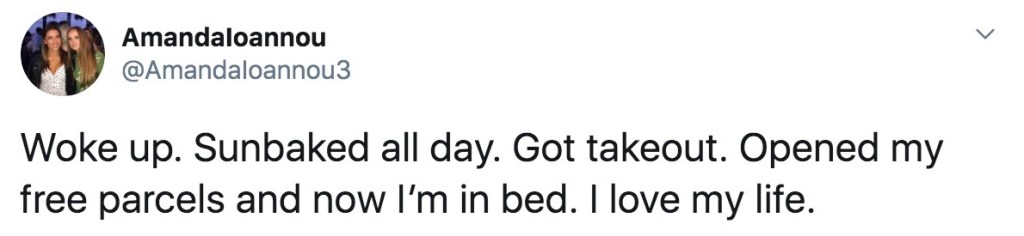
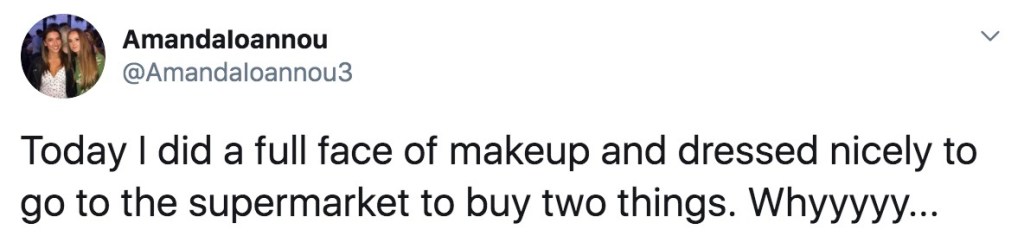
The problem with this is, more often than not, their life is very fabricated – it looks very glorious to a third-party person. However, what people don’t tend to see (as they are not shown so I don’t blame them) is behind all the makeup, the clothes, the experiences, the free items, these influences are normal people just like you or me. They still have to go to the supermarket to buy their weekly groceries, they still lie on the couch and have lazy days, they still have acne, body image or family problems. This is where, through the way Instagram has evolved, it can be detrimental to the lives of others. Young men and woman especially who are growing up trying to find themselves, are being exposed everyday (if they are old enough to have Instagram) to these fabricated lifestyles and are aspiring to be just like them. They are being brainwashed to have perfectly symmetrical faces and to have what is known as the ‘perfect figure’. But what even is the perfect figure? There is none. All figures in all shapes and forms are beautiful as that is how we have been genetically created. What most don’t see is these ‘perfect figure’s’ are generally photoshopped to fit the needs of society which is sending the wrong message. Individuals through this, are constantly telling themselves they are not good enough and are being so harsh on themselves.
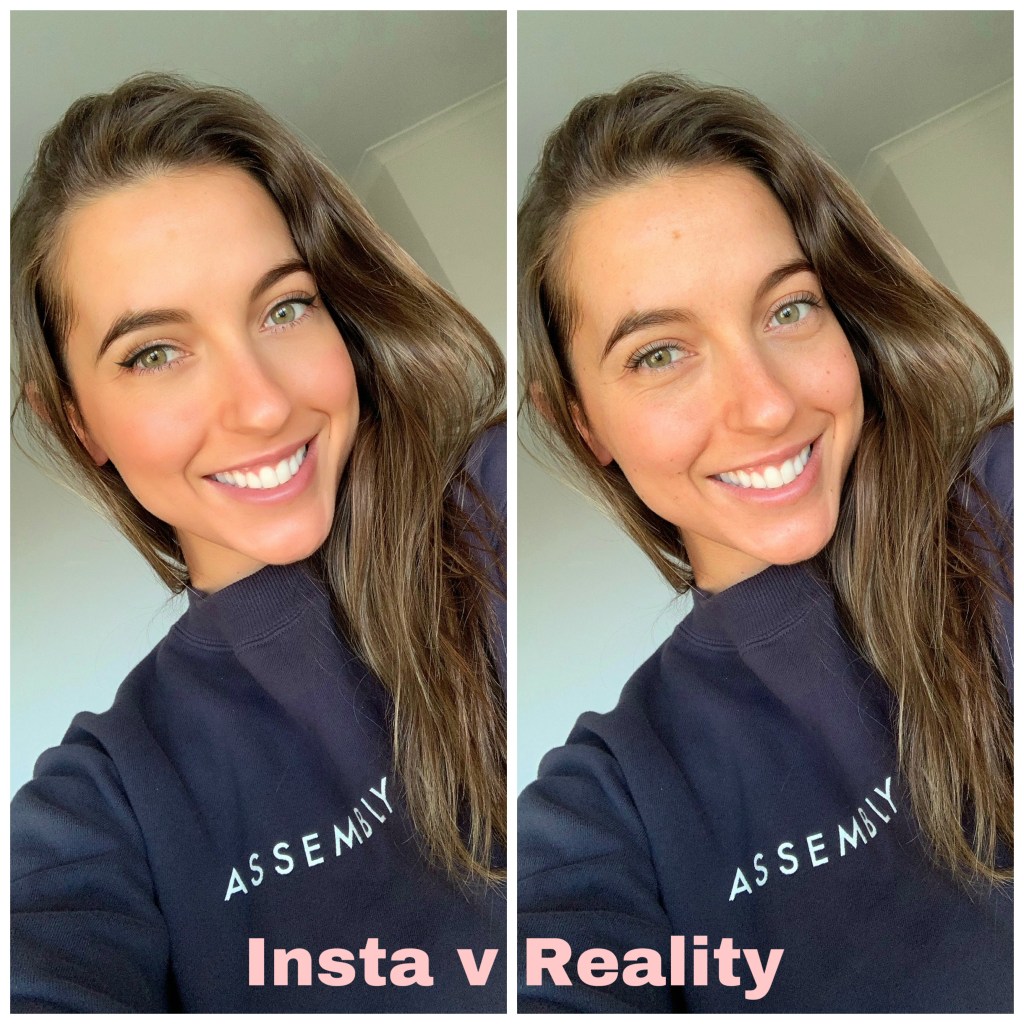
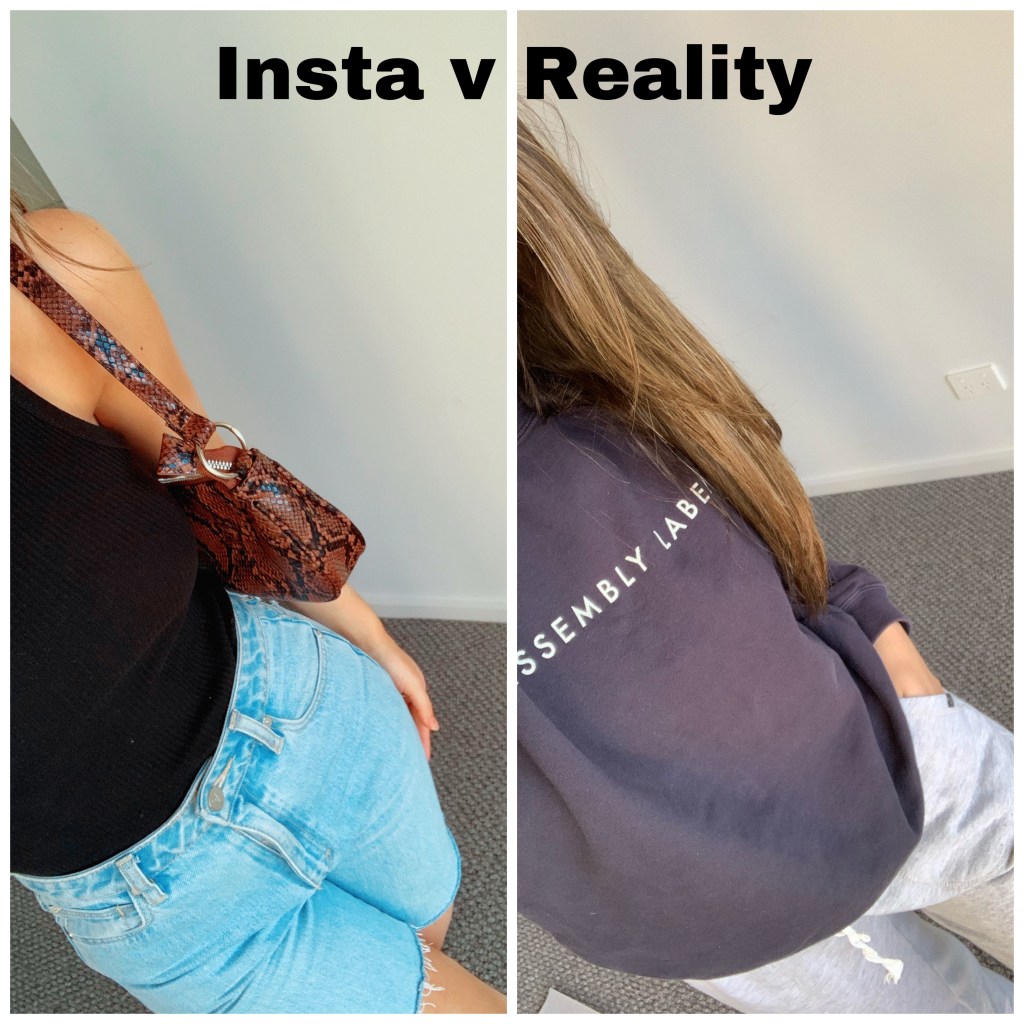
However, we are starting to see a slow trend of ‘influences’ taking a step back and breaking through this so-called persona in which they believe they have to uphold to fit in. They are showing society who they really are and are taking a stand, apologising to their followers for falling victim to it and sending them the wrong messages. Last year, we saw 2018 Australian Bachelorette Ali Oetjen, after posting a heavily photoshopped picture of herself on Instagram, receive a series of harsh comments on it. The reality television star a couple days later, posted a very emotional picture of herself crying, apologising to her followers for sending the wrong message – “At the time I thought, this photo of my face is not “pretty enough” I have an image to uphold & must make it look flawless! Crap! It made me feel sh*t!! I don’t want to conform, I want to continue to inspire real woman to love themselves for the bloody breathtaking beings that we are.” Through this, Oejten has said goodbye to the fabricated persona in which she felt she needed to deliver on social media platforms and now only offers the world her true unedited self.
Today, the trend of fictitious online personas is slowly but surely starting to decline in the world of Instagram. With more and more influences taking a stand, they are showing the world that being yourself is more glorious than any lifestyle that they live.
References
Smith, S and Watson, J 2014, ‘Virtually Me: A Toolbox about Online Self-Presentation’, in Poletti, A and Rak, J (eds.), Identity Technologies: Constructing the Self Online, The University of Wisconsin press, Madison, pp. 75.
Mullen, J 2018, Instagram’s founders are leaving the company, CNN Business, date retrieved 24 April 2020, <https://money.cnn.com/2018/09/24/technology/founders-of-instagram-resign/index.html>.
Nerada, P 2018, Everything We Know About Ali Oetjen, Australia’s Next Bachelorette, marie claire, date retrieved 24 April 2020, <https://www.marieclaire.com.au/ali-oetjen-bachelorette-australia-facts>.
 A day in the life of Amanda